
What began as a name list has become a living reference built from historical compilations, nursery records, registration sources, private archives, trusted websites, firsthand knowledge, and decades of photographs and cultivar folders assembled by Tex Norwood.
The Beginning
A project that kept evolving
Tex Norwood registered PlumeriaDatabase.com in April 2019 after years of seeing valuable cultivar information scattered among paper files, old websites, nursery catalogs, spreadsheets, photographs, and the memories of experienced growers.
Diana’s 2019 compilation provided an important early foundation with about 5,800 plumeria name and description entries. It also revealed the challenge ahead: spelling variations, alternate names, joined records, duplicates, uncertain identities, and plants represented by a name but little supporting evidence.
The goal became a useful record for every cultivar: photographs, distinguishing traits, parentage, registration information, source context, alternate names, and the human story connected to the plant.
A Personal Archive
Decades of flowers, folders, and field knowledge
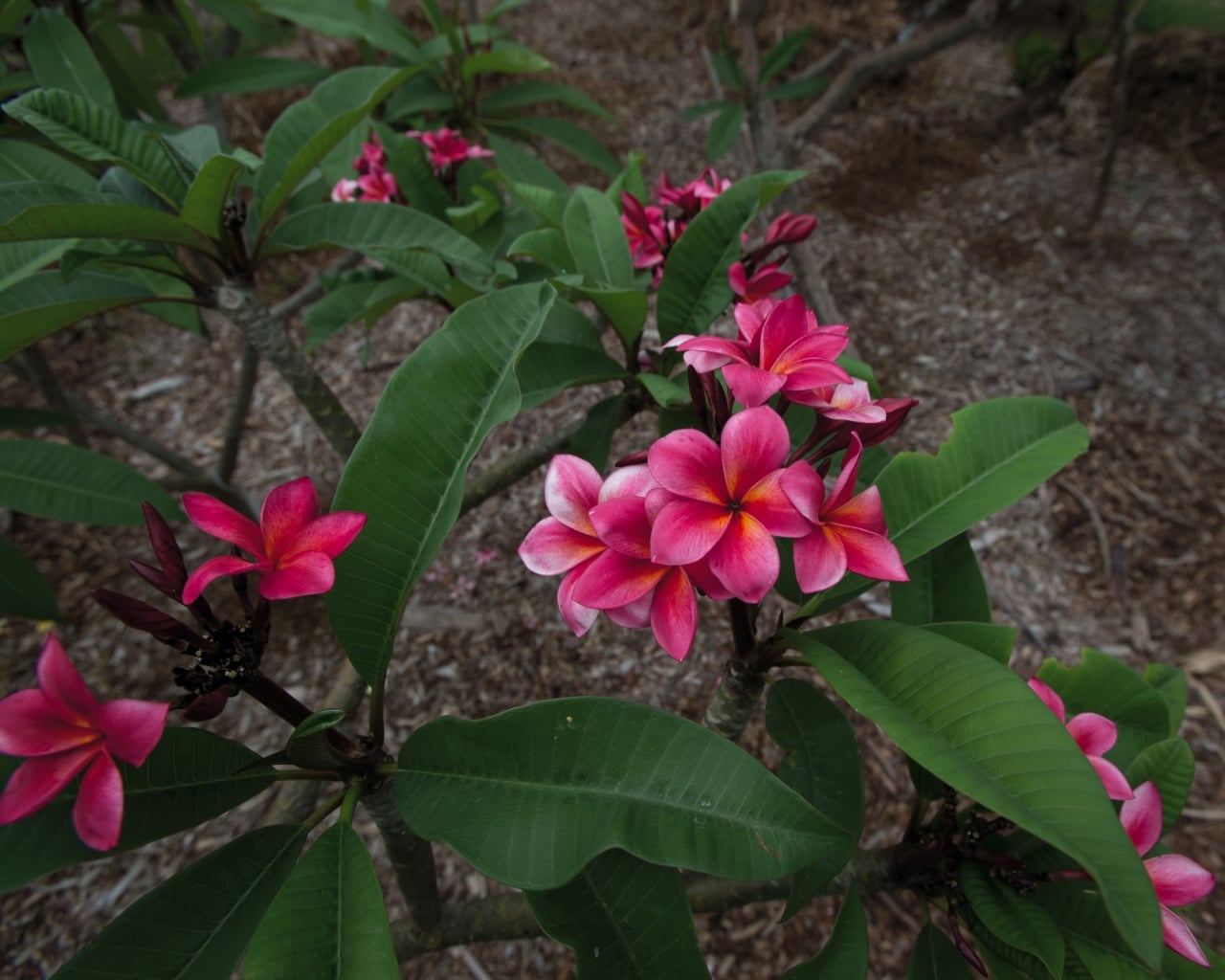
The research foundation includes photographs and cultivar folders assembled by Tex Norwood over decades of growing, photographing, documenting, and preserving plumeria. Those records help connect a name to a real flower, plant, source, and point in time.
Nursery catalogs, hybridizer records, PSA registration material, documents, and trusted source websites add context. No single source is treated as complete; the strongest records are built by comparing evidence.
From Raw Material to Reliable Records
Narrowing the list, one decision at a time
Building the database was not a matter of importing every row. Thirty-five spreadsheets, 16 CSV files, 27 documents, and thousands of folder-based records had to be compared and normalized so punctuation, prefixes, spelling differences, and known alternate names did not create false cultivars.
Names joined together or separated incorrectly were reconciled.
Seven hundred seventy-two rows were merged where evidence supported the same cultivar.
Alternate names and spelling variants were connected instead of counted as new plants.
The master list became a focused research inventory rather than a raw name dump.
The Database Today
A public record that shows both knowledge and uncertainty
The administration currently contains 1,271 cultivar records: 1,268 published records and three drafts. Records can include photographs, descriptions, colors, flower size, fragrance, growth and blooming habits, leaf and petiole traits, parentage, known seedlings, origin, registration information, collections, and review status.
The 647 names still needing work are visible by design: 31 possible AKA or duplicate cases, 350 photo-backed candidates, two names requiring review before creation, and 264 names that still need photographs or stronger source evidence.
Identification
Comparison, not a quick guess
A plumeria cannot be positively identified from one photograph or a few simple characteristics. Sun, season, temperature, climate, bloom age, and petal thickness can all change its appearance.
The best practical method is to compare the complete flower, center color, petals, fragrance, leaves, petiole, tree habit, bloom pattern, parentage, history, and photographs taken under different conditions. A conclusive identification may ultimately require DNA testing, which is not yet generally available for this purpose.
Collections
Context from people and places
Collections connect cultivars with nurseries, hybridizers, registration sources, countries, and the people who introduced or documented them. They help visitors explore related plants and preserve the source context behind each record.
Collection membership is not proof of identity by itself. It is one part of the evidence considered alongside the cultivar’s photographs, traits, parentage, history, and review status.
A Community Reference
Built with contributors and trusted verifiers
The database preserves the research already assembled while giving knowledgeable growers a structured way to add what is missing and correct what needs attention.
Contributors
Contributors can submit new cultivars, photographs, corrections, alternate names, histories, source notes, and missing traits. Each submission remains connected to its source and is reviewed before changing a public record.
Plumeria Verifiers
Trusted verifiers review names, traits, parentage, registrations, possible duplicates, photographs, and source notes. Their experience turns raw information into records visitors can use with greater confidence.
Still Growing
A long-term home for plumeria knowledge
The goal is not simply to publish the largest list of names. It is to build the most useful record possible for each cultivar while clearly showing what is known, what is reported, what is verified, and what still needs attention.
Every corrected name, documented history, approved photograph, completed trait, and resolved duplicate makes the database more valuable. PlumeriaDatabase.com is both a public reference and a preservation project for the knowledge, photographs, and stories connected to plumeria.
Explore the records and help strengthen them
Search the live cultivar records, browse source collections, review unresolved names, or share reliable information and photographs with the database.