
Cultivar records
Understanding the Cultivar Record Page
Each cultivar record brings together photos, description, history, names, parentage, traits, source notes, and review status. The purpose is to help people compare a plumeria responsibly, not to claim that one or two traits prove an identity.
Description & History
The public summary should explain what makes the cultivar distinctive: appearance, growing behavior, source history, origin, naming story, breeder, nursery, or registration note when known.
Photos
Photos support comparison, but they need context. A strong record notes who took the photo, date or season, region, lighting, bloom age, and whether permission was provided.
Traits
Traits are grouped by what they describe: flower, bloom, fragrance, petal form, leaves, tree habit, seed behavior, propagation, origin, and review status.
Names & AKAs
Alternate spellings, quoted names, nursery labels, country names, and informal names should be tied to the main record instead of becoming duplicate cultivars.
Parentage & Seedlings
Seedling-of notes, known parents, breeder notes, and known seedlings are valuable research fields. They should be shown clearly but verified before treated as final.
Review Status
Needs Review markers identify missing, uncertain, or conflicting details. Public suggestions and verifier edits go into review before changing the visible record.
Identification is comparison
The only true way to positively identify a plumeria is DNA testing, which is not available here yet. The next best approach is careful comparison to a known cultivar using all characteristics, traits, photos, and history together.
Use more than one clue
Flower color alone is not enough. Center color, flower size, fragrance, petal shape, leaf traits, growth habit, origin, source history, and verified photos all matter when narrowing possible matches.
Record Selections
The dropdowns are designed to keep entries consistent. Select only what can be observed or supported by a source. Unknown fields should stay reviewable instead of being guessed.
- Flower Primary flower colors, center color, bloom size, size range, flower form, and color pattern. Primary color and center color are separate so a yellow center does not make the whole cultivar yellow.
- Bloom Bloom habit, frequency, season, reliability, and keeping quality. Bloom should stay with the flower group but remain separate from seed and rooting behavior.
- Fragrance Strength and scent family, such as sweet, citrus, rose, jasmine, gardenia, coconut, peach, spice, classic plumeria, light, strong, or absent.
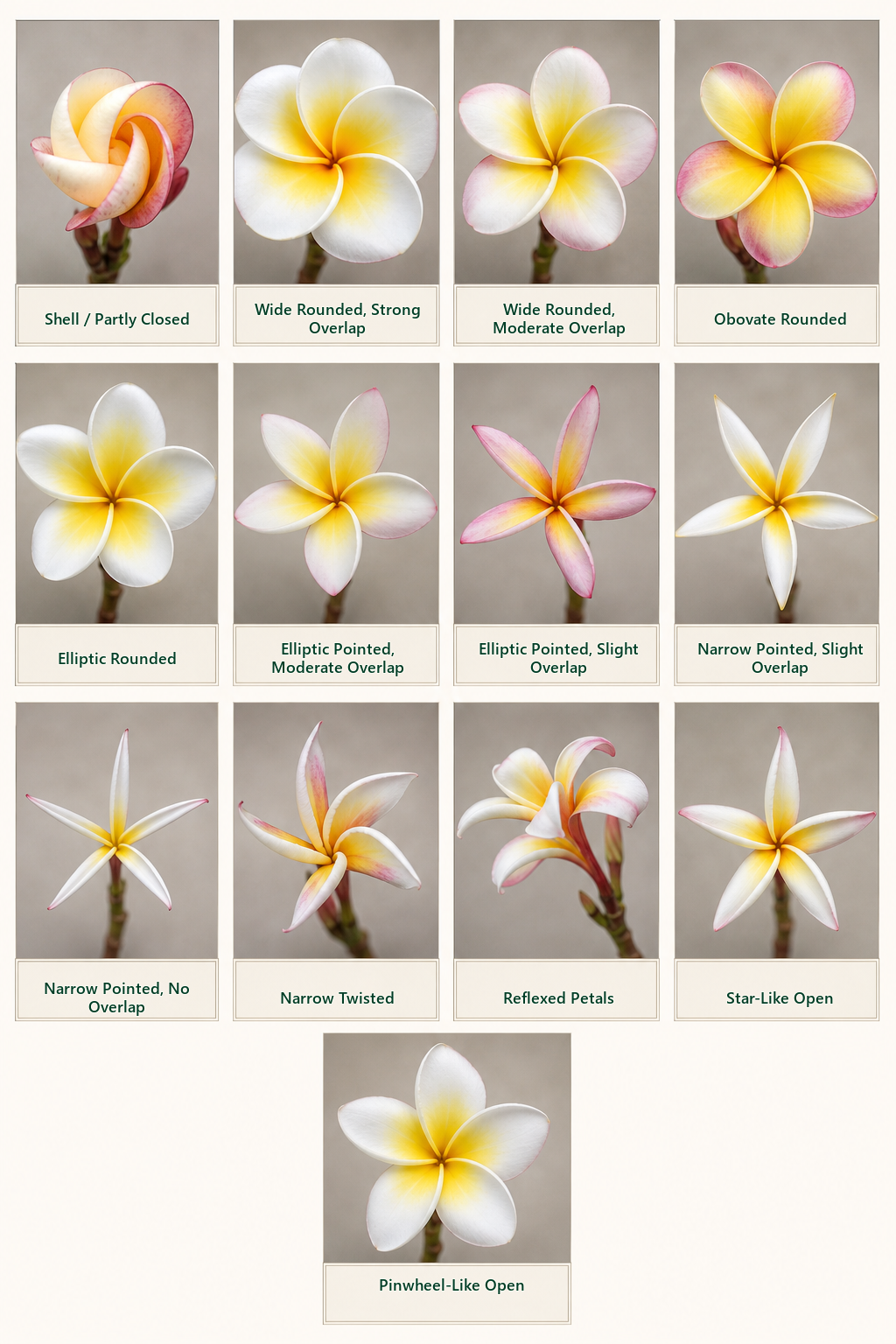
- Petal Shape / Type Petal shape and presentation, including round, elliptical, obovate, narrow, wide, twisted, reflexed, incurved, shell, semi-shell, ruffled, or wavy.
- Petal Surface / Color Behavior Petal substance and color response, including thin, thick, waxy, veined, banded, streaked, fades in sun, holds color, intensifies in heat, or darkens in cool weather.
- Leaves & Petiole Leaf shape, size, surface, tip, color, vein visibility, petiole length, and petiole color. Leaf observations help when flowers are not available.
- Tree Growth class, plant habit, branching, vigor, compactness, height, and container or landscape suitability.
- Seed / Propagation Seed production, pod behavior, rooting difficulty, grafting notes, and propagation observations. These are often unknown and should not be forced.
- Origin & Status Country of origin, breeder, nursery, registration number, source confidence, record status, and whether the record is verified or still in draft review.
- Photo Context Date, time of day, region, season, temperature range, sun exposure, bloom age, lighting, observed colors, and permission details.
Needs Review Markers
A marker means the field is missing, uncertain, conflicting, or not source-backed. It is a request for help, not a confirmed trait.
Public Suggestions
Visitors can suggest corrections or additions, but their submissions should include contact details, source notes, and enough context for review.
Verifier Review
Approved reviewers can evaluate suggestions, add standard dropdown values, reject unsupported changes, and help decide what should become visible.
Photo Context Matters
Plumeria flowers can change with sun exposure, season, temperature, region, age of bloom, and petal thickness. Thin petals may fade quickly, thicker petals may hold color longer, and some cultivars intensify or darken under warm or cool conditions.
- Capture details Date, time of day, region, temperature range, season, and lighting help explain why the same cultivar may look different across photos.
- Permission details Submitted photos should be taken by the submitter or used with permission, and the submission should grant permission for website and publication use, cropping, and basic adjustment.
- Observed colors Photo-observed colors should support the record but should not automatically replace verified cultivar traits without review.
- Identification use A photo can be marked useful for identification only when the bloom is clear, representative, correctly named, and has enough context.
How to choose values
When in doubt, leave it reviewable.
Standard dropdown values make the database searchable, but uncertain data can create bad matches. If a trait is unclear, conflicting, or based on one weak photo, it is better to mark it for review than to force a choice.
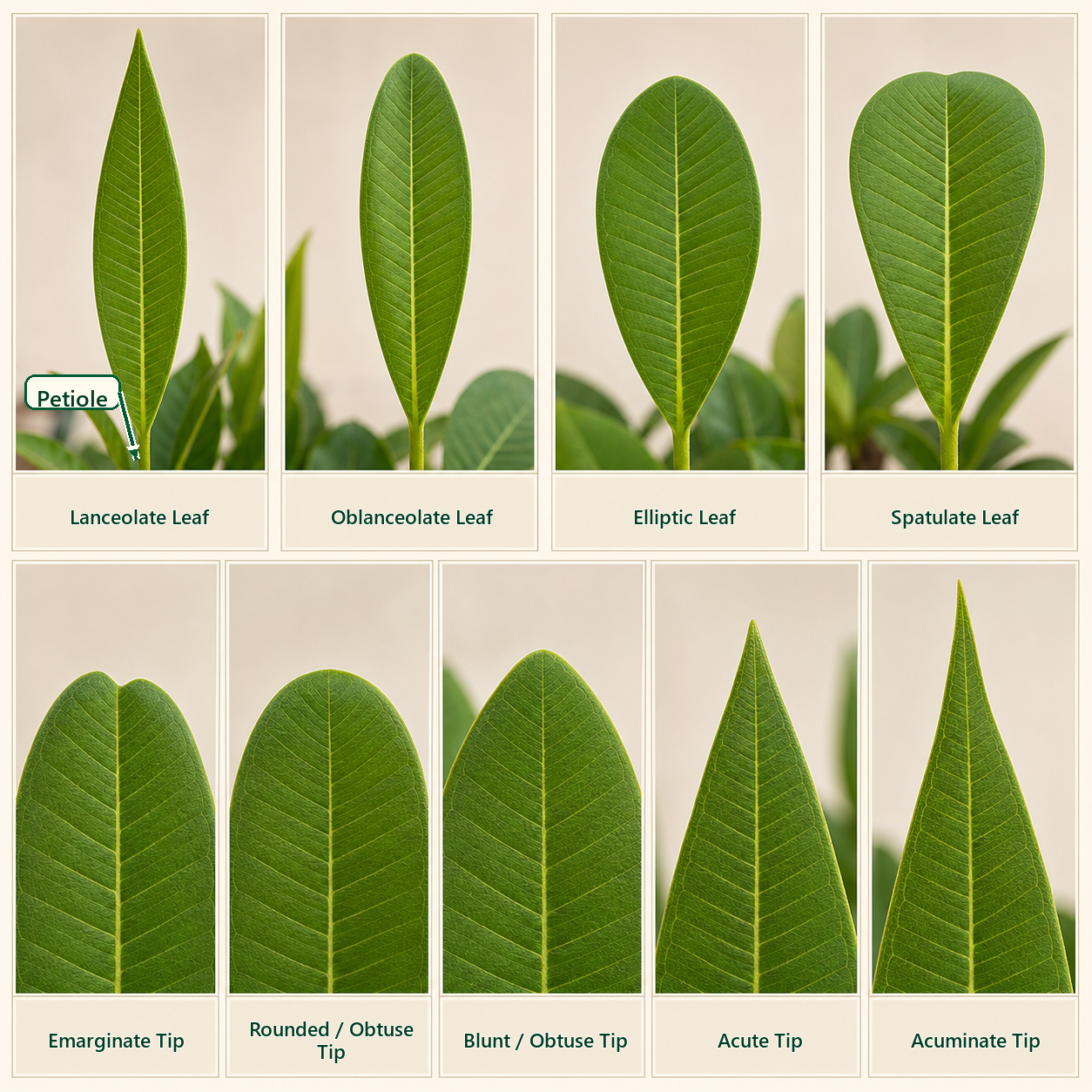
Photo reference
Cultivar Photo Gallery
No approved photos are available for this cultivar yet.
A clear photo can help document this cultivar. Submitted photos remain pending until reviewed.